
Wholesale Sourcing Guide: 7 Critical Questions Before Ordering Custom Grip Socks from China
By Technical Sourcing Lead | June 2026 Edition
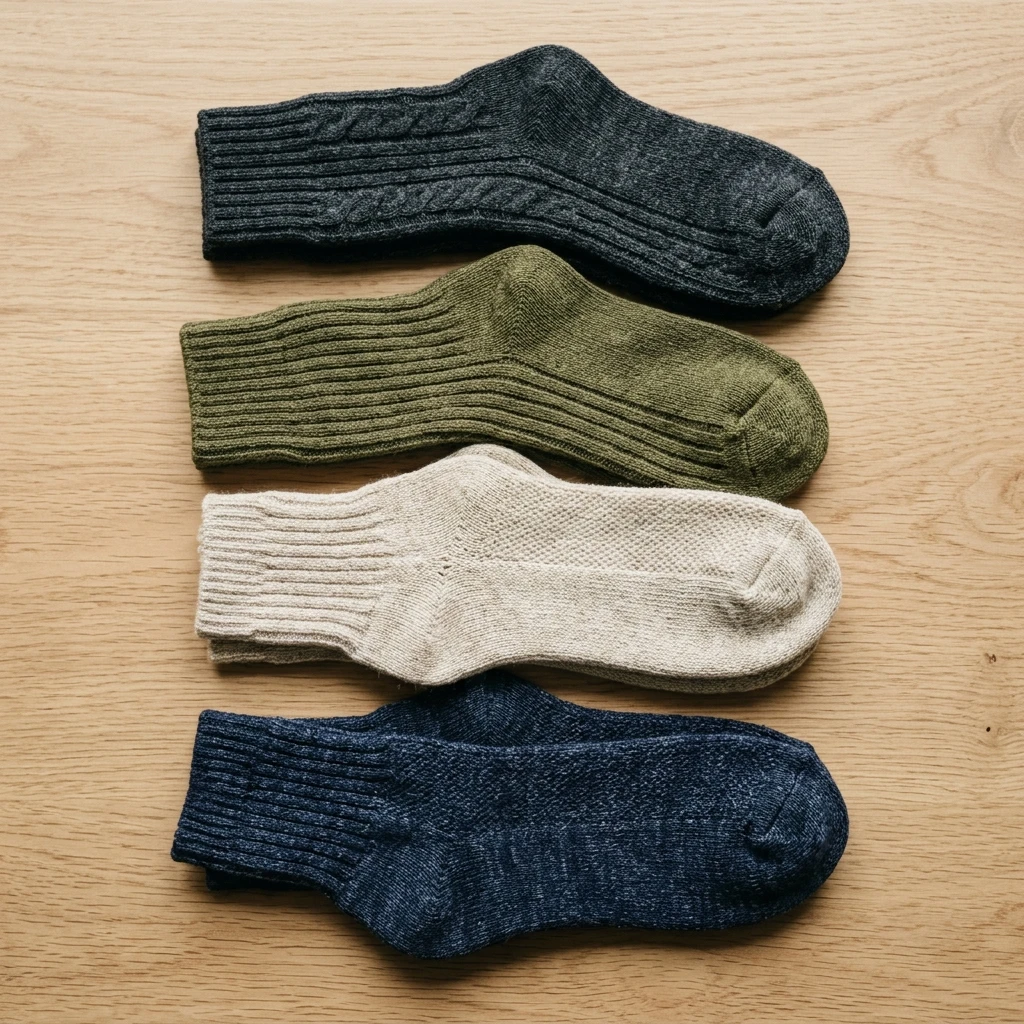
Expert manufacturing ensures the perfect balance between fabric elasticity and grip durability.
1. What is the Colorfastness Grade After 30 Washes?
Low-cost dyes leach pigments, staining the expensive floors of Pilates studios. Professional manufacturers should guarantee ISO 105-C06 Grade 4+. Ask for the lab report; if they hesitate, they are likely using non-standard reactive dyes.
2. What is the Peeling Strength of Your Silicone Grips?
The most common customer complaint is "dots falling off." This happens when the silicone curing temperature isn't perfectly calibrated to the fabric's melting point. In 2026, the industry benchmark for professional wholesale grip socks is a peeling strength of at least 4.5N/cm.
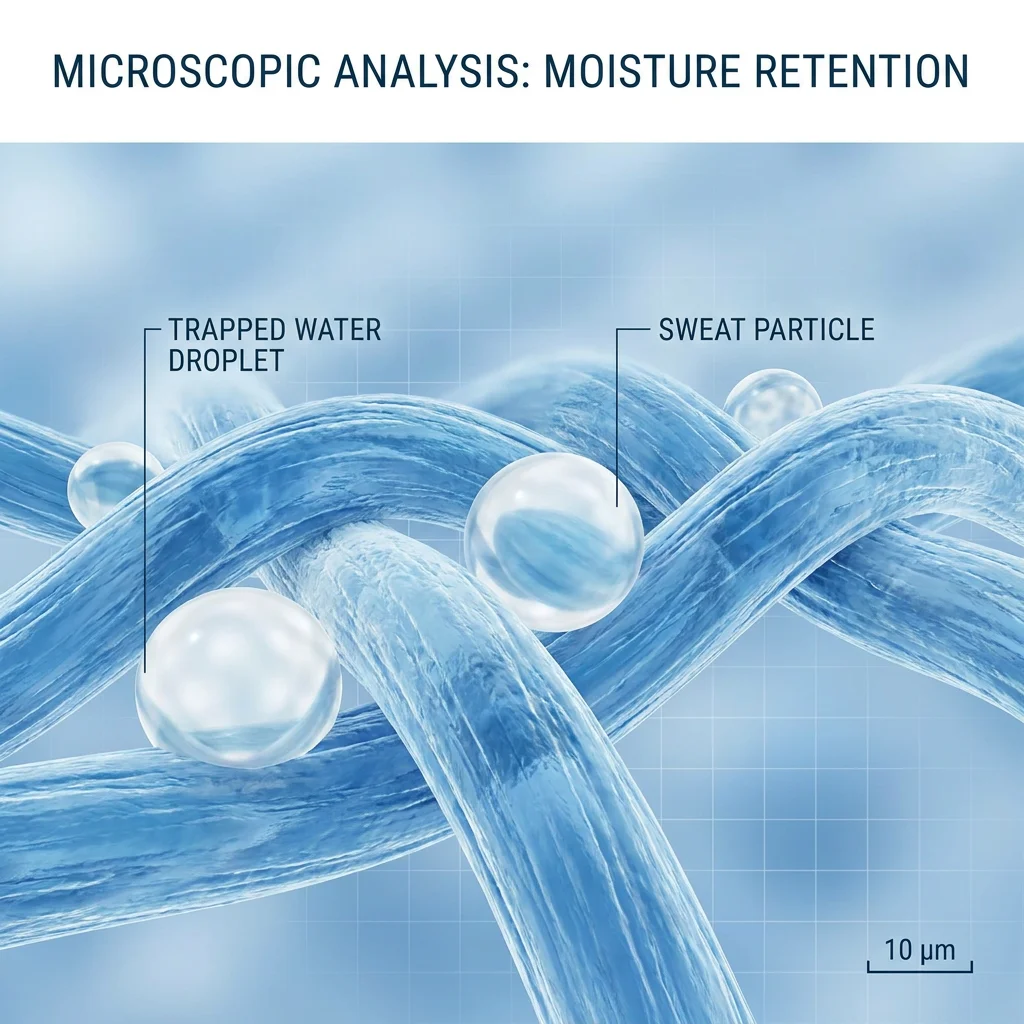
A close-up of medical-grade silicone grips showing superior adhesion and uniform dot distribution.
3. Can You Provide a Stretch & Recovery Test Report?
Grip socks endure high torque. A sock that loses its shape after two uses is a brand killer. We recommend a blend containing at least 5% high-tension Lycra®. A premium sock should return to 95% of its original shape after being stretched to 200% of its width.
| Test Parameter | Sub-par Factory | Professional Grade |
|---|---|---|
| Colorfastness | Grade 2-3 (Fading) | Grade 4+ (Stable) |
| Silicone Tech | Industrial PVC | Medical Silicone |
| Needle Count | 108N - 120N | 144N - 168N |
4. Are the Materials GRS or OEKO-TEX Standard 100 Certified?
For US and EU distributors, liability is real. Standard 100 by OEKO-TEX ensures the socks are Azo-free and safe for skin contact. Without these certifications, you risk customs seizures and retail liability claims.
5. What is the Machine Density (Needle Count)?
Many low-price suppliers use 120N machines to save yarn. Professional performance socks require a 144N or 168N density to provide the "compression feel" athletes expect. Higher density also provides a more stable base for the grip application.
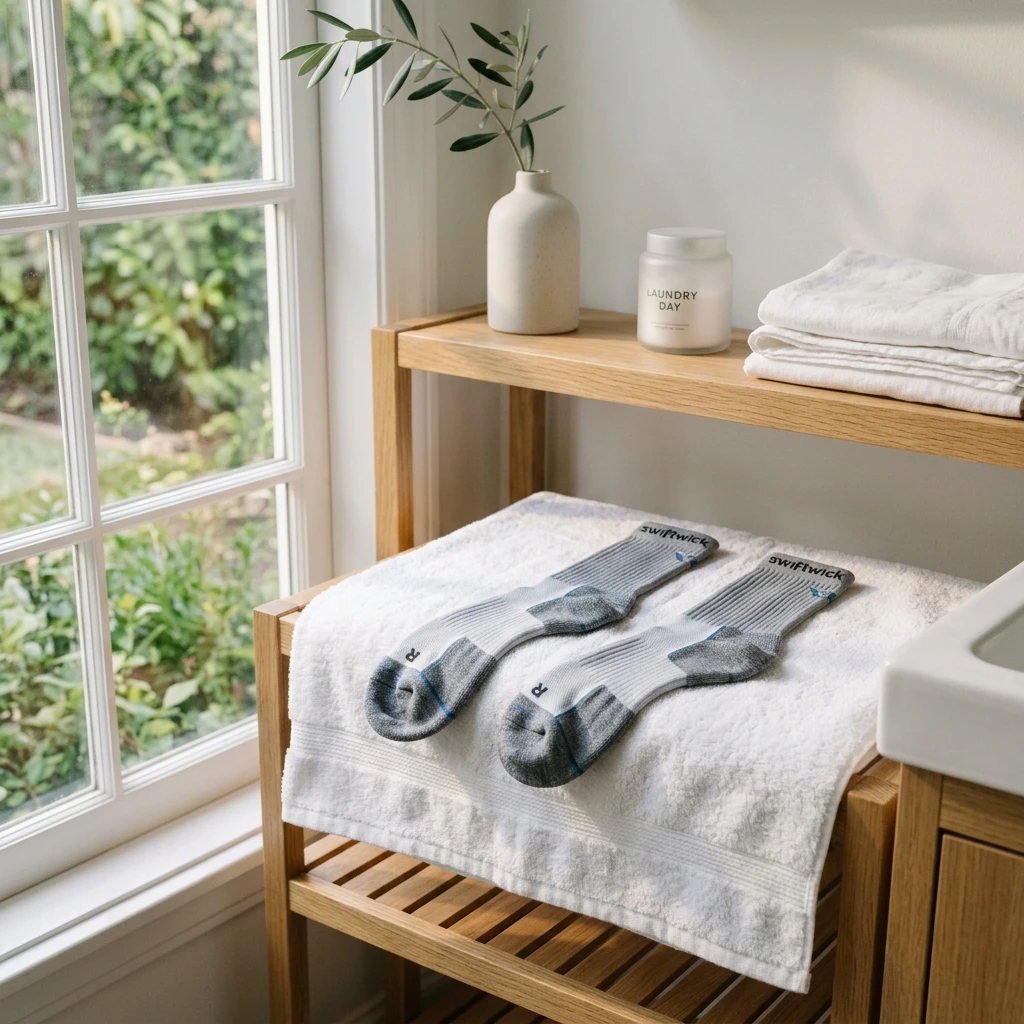
In-house laboratory testing verifies colorfastness and elastic memory before shipping.
6. How Do You Manage the "Heat-Transfer Bottleneck"?
The "grip" part of customizing grip socks is a secondary process that often creates delays. A vertically integrated factory controls the heat-press in-house, ensuring a stable 15-25 day lead time.
7. Do Your Socks Meet ASTM Standards for Trampoline Parks?
If you are sourcing for high-impact venues, "non-slip" isn't enough. You must ask for friction coefficient data that aligns with ASTM F2970 standards. This is the difference between a successful franchise and a legal nightmare.
Work with a Certified Expert Manufacturer
Don't leave your brand's reputation to chance. Get a technical quote and see the quality difference.
Request Tech Specs & Samples