Custom Grip Socks: Full Guide to Design, Materials & MOQ for Brands

In the dynamic world of athletic apparel, custom grip socks have emerged as a game-changer, blending functionality, comfort, and brand identity. For brands aiming to carve a niche in the sports industry, understanding the nuances of designing, selecting materials, and navigating minimum order quantities (MOQ) is paramount. This comprehensive guide delves into every aspect of creating custom grip socks that resonate with athletes and elevate your brand.

Designing Custom Grip Socks: Merging Aesthetics and Performance

The design phase is where your brand’s vision comes to life. Start by defining your target audience—whether it’s professional athletes, fitness enthusiasts, or casual gym-goers. Their needs and preferences will shape the design elements.

Logo and Branding

Incorporate your brand logo strategically. It can be placed on the cuff, the sole, or along the side of the sock. Opt for high-quality embroidery or sublimation printing to ensure durability and a premium look. Embroidery works well for bold, simple logos, while sublimation printing is ideal for intricate designs or full-color branding that covers larger areas of the sock.

Color Palette

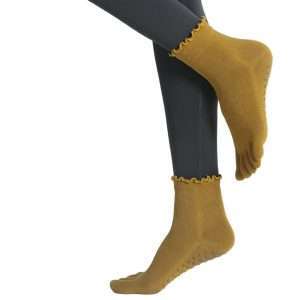
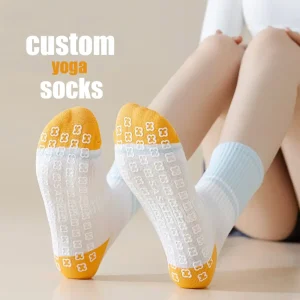
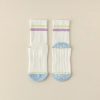
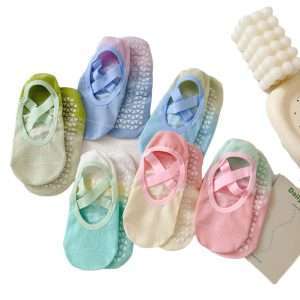
Choose colors that align with your brand identity. Bold and vibrant hues can make a statement, while subtle tones exude elegance. Consider contrasting colors for the grip pattern to enhance visibility and aesthetic appeal—for example, a black sock with white silicone grips or a navy sock with neon green grips. Ensure the color combination is not only visually appealing but also aligns with the preferences of your target audience (e.g., bold colors for youth teams, neutral tones for premium fitness brands).

Pattern and Texture

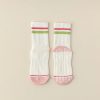
Experiment with different patterns, such as stripes, geometric shapes, or camouflage, to add visual interest. The texture of the sock also plays a role in comfort and performance. Seamless toes and cushioned soles are popular features that enhance wearability—seamless toes eliminate irritation, while cushioned soles provide extra support during high-impact activities. For added functionality, consider textured panels on the arch or calf to improve grip and support.

Selecting the Right Materials: Balancing Comfort, Durability, and Grip

The choice of materials is critical in determining the quality and performance of custom grip socks. The best blends combine comfort, durability, moisture-wicking capabilities, and traction—all essential for athletic wear.

Cotton

A classic choice, cotton offers breathability and softness, making it ideal for casual or low-intensity use. However, it may not be the most durable option for intense athletic activities, as it retains moisture and can stretch or fade over time. Blending cotton with synthetic fibers (such as polyester or spandex) can improve its strength, moisture-wicking properties, and longevity.

Polyester

Known for its durability and quick-drying capabilities, polyester is ideal for sports socks. It helps keep feet dry by wicking away moisture from the skin, reducing the risk of blisters, odor, and discomfort during long workouts or competitions. Polyester is also resistant to wrinkles, shrinkage, and fading, making it a low-maintenance option for brands and consumers alike.

Spandex/Lycra

Adding spandex or lycra to the fabric blend provides elasticity, ensuring a snug, contouring fit that conforms to the shape of the foot. This enhances support, prevents the socks from slipping down during movement, and allows for a full range of motion—critical for athletes in dynamic sports like soccer, basketball, or yoga. Most high-performance custom grip socks contain 5-10% spandex for optimal stretch and recovery.

Grip Materials

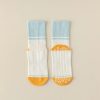
The grip pattern on the sole is what sets grip socks apart from regular athletic socks. Silicone is the most common material used for grip dots or patterns, as it offers excellent traction on various surfaces, including gym floors, yoga mats, and cleats. Look for high-quality silicone that is resistant to wear and tear, peeling, or fading—cheap silicone can lose its grip after a few washes, compromising performance.

Silicone Grip Options

Brands can choose from different silicone grip styles: dot patterns for general traction, full-sole grips for maximum stability, or custom-shaped grips that align with the brand’s logo or design. For added branding, some manufacturers offer colored silicone that matches the sock’s color palette.

Understanding MOQ: Navigating Production Requirements

Minimum order quantities (MOQ) can vary significantly depending on the manufacturer and the complexity of the design. For brands—especially small or emerging ones—understanding MOQ and how to navigate it is key to launching a successful custom grip sock line.

Factors Influencing MOQ

Several factors impact the MOQ for custom grip socks, including:
  • Materials: Specialized or eco-friendly materials (e.g., recycled polyester, merino wool) may require a higher MOQ, as manufacturers need to order larger quantities of these fabrics.
  • Printing/Embroidery Techniques: Intricate embroidery, full-color sublimation, or custom silicone grip patterns can increase MOQ, as these processes require setup time and materials that are more cost-effective in bulk.
  • Level of Customization: Fully custom designs (unique colors, patterns, grip shapes) typically have a higher MOQ than semi-custom options (pre-made patterns with logo placement).

Negotiating MOQ

If you’re a small brand or starting out, don’t hesitate to negotiate with manufacturers. Many suppliers are willing to offer lower MOQs for new clients, especially if you commit to future orders. Additionally, ordering multiple designs in a single bulk order (e.g., 500 pairs total across 2-3 designs) can help you meet a lower per-design MOQ. Be transparent about your budget and long-term goals—manufacturers often value long-term partnerships and may be flexible to support your brand’s growth.

Planning for Growth

Consider your long-term business goals when determining the MOQ. Ordering a slightly higher quantity than your immediate needs can help you take advantage of volume discounts, which reduce the per-unit cost of each sock. It also ensures a steady supply of inventory, preventing stockouts and allowing you to fulfill orders quickly. For brands expecting growth, ordering 10-20% more than your current demand can save time and money in the long run.

Conclusion

Creating custom grip socks is a rewarding endeavor that allows brands to showcase their creativity and provide athletes with high-performance apparel. By focusing on design that merges aesthetics and functionality, selecting the right materials for comfort and durability, and navigating MOQ requirements strategically, you can develop a line of custom grip socks that not only meets the needs of your target audience but also strengthens your brand presence in the competitive athletic gear market. With careful planning and attention to detail, your custom grip socks can become a staple for athletes and a key part of your brand’s success.
Scroll to Top