Why Do Your Socks Get Stiffer After Washing?
The main reasons boil down to three things: detergent residue, fiber damage, and water/sunlight issues.
Detergent residue (the biggest cause)
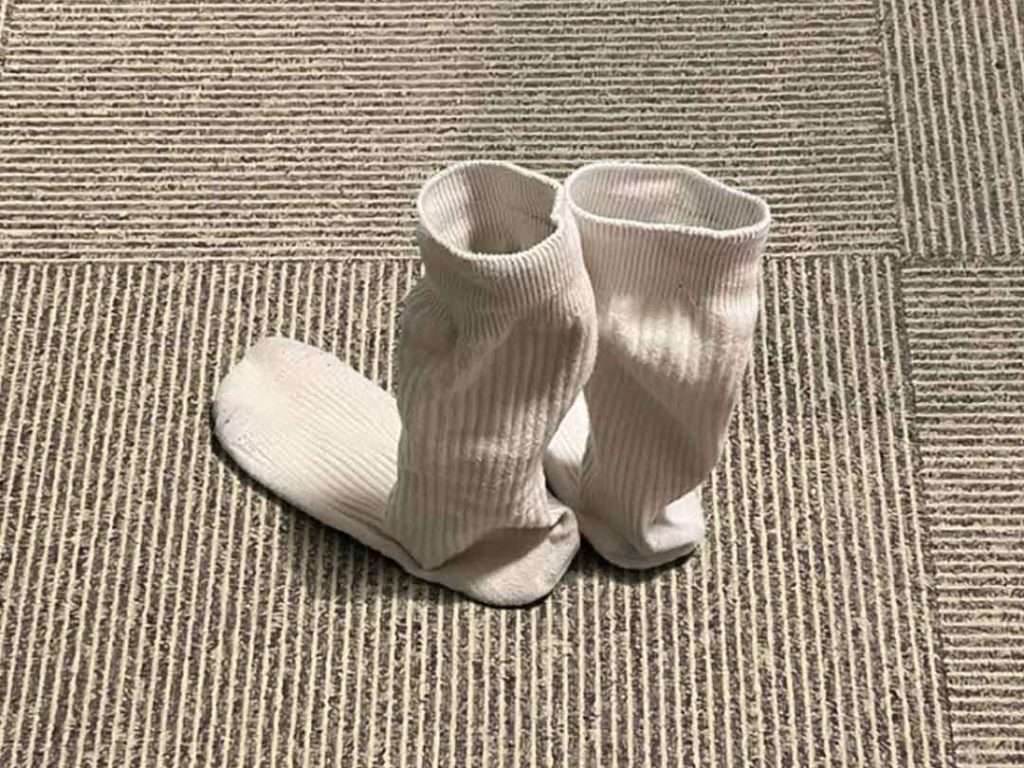
Using too much detergent (especially powder) makes it harder to rinse clean, leading to more residue.If detergent isn’t rinsed off completely, its chemicals stick to sock fibers, forming a “stiff layer.”This will cause the socks to become stiff and even stand up.This looks very interesting.
So you can rinse with clean water 1-2 times to ensure there is no residue left.
Fiber structure changes
Water quality & drying habits
The structure of cotton socks is prone to deformation, while nylon socks have less deformation. Wool socks require the most protection and do not need to be wrung out after washing. They should be laid flat in a well ventilated area to dry and avoid hanging and drying to prevent the socks from elongating and deforming due to their own weight.
All socks should pay attention to water temperature, detergent dosage, and avoid direct sunlight exposure.
Good maintenance methods can extend the lifespan of socks. So how long can a pair of socks be used? You can check out our other article ‘How long should socks be worn and thrown away?‘