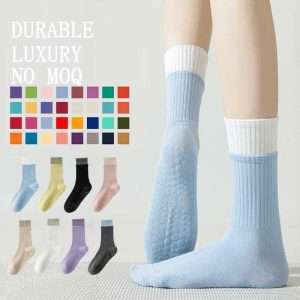
Why Do My Non-Slip Yoga Socks Still Slip? 3 Overlooked Key Reasons

Slipping inside yoga socks during practice is more nerve-wracking than stepping directly on the mat—obviously you bought “non-slip” ones, yet you still nearly lose balance in downward dog. In fact, whether non-slip performance works well doesn’t just depend on the number of silicone dots; there are several easily overlooked details at play. This article will help you identify the root causes from real usage scenarios and choose truly non-slip yoga socks.

I. Is It Not the Socks’ Fault That Non-Slip Socks Slip? Check the Usage Scenarios First

1. Yoga Mat Material and Cleanliness Affect Grip

Many people think non-slip performance relies solely on socks, but they overlook the yoga mat as a “partner.” If your mat is made of smooth PVC or has sweat and essential oils on the surface, even the strongest silicone dots will lose friction. I’ve personally fallen into this trap: using a PVC mat with massage dots made non-slip socks slipperier than bare feet. Later, switching to a natural rubber mat fully restored the grip. Additionally, a mat left uncleaned for a long time accumulates dust and sweat, forming a “protective film.” It’s recommended to wipe it with clean water after each practice and perform deep cleaning regularly.

2. Exercise Intensity Determines Non-Slip Needs

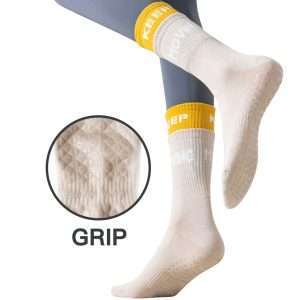
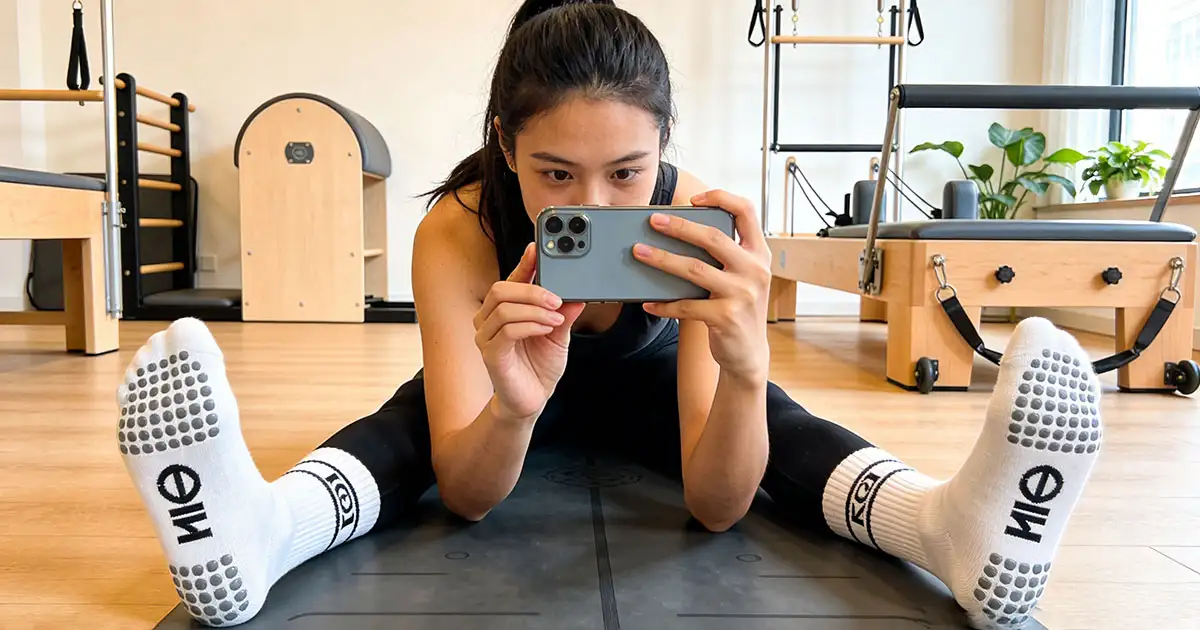
Ordinary non-slip socks may suffice for gentle yin yoga, but for dynamic practices like vinyasa yoga and Pilates, frequent jumps and turns require higher grip—opt for styles with full-sole silicone dots and sufficient density. A Pilates instructor I know specifically chooses socks with grid-patterned silicone dots, which fit movement trajectories better than dot-shaped ones and won’t slip on Reformer equipment.

II. “Hidden Flaws” in the Socks Themselves Are the Main Cause of Slippage

1. Poor Quality vs. Poor Design of Silicone Dots

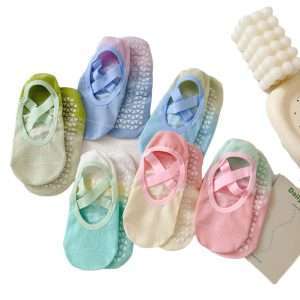
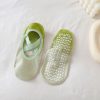
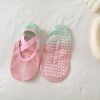
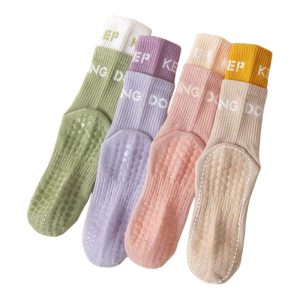
Silicone dots on low-cost yoga socks tend to be hard, peel off easily, and even have sharp edges—they not only offer poor non-slip performance but also feel uncomfortable against the feet. High-quality socks use soft silicone with evenly sized dots covering three stress points: the forefoot, arch, and heel. Dots on the arch are crucial to prevent feet from sliding forward and backward inside the socks, a design many budget styles omit. I once bought a pair with dots only on the forefoot; my heel shifted drastically during warrior pose. Switching to full-sole socks with arch reinforcement completely solved the problem.

2. Sock Fit Matters More Than “Tightness”

Too-tight cuffs chafe, while too-loose ones slip off, but what affects non-slip performance more is whether the sock fits the foot shape. If the sock is too big, gaps between the foot and sole will cause internal slippage, no matter how good the external non-slip design is. Choose styles with slightly stretchy fabrics (such as nylon-spandex blends) that move with your feet. Also, pay attention to sizing—petite feet (EU 34-37) should avoid one-size-fits-all and opt for dedicated small sizes to prevent slippage due to excess space.

III. 3 Practical Tips for Choosing the Right Non-Slip Yoga Socks

Based on my own experience and that of friends, here are three foolproof tips: Prioritize full-sole soft silicone with a dot density of ≥50 dots per square centimeter; choose breathable, moisture-wicking blended fabrics (bamboo fiber-spandex is best, more durable than pure cotton); when trying on, focus on arch support and whether the sock stays snug during tiptoeing and pointing. Additionally, avoid exposing socks to direct sunlight after washing—silicone hardens and peels off at high temperatures, reducing non-slip lifespan.


Scroll to Top