How Much Does Custom Socks Manufacturing Cost in 2026? Full Pricing Breakdown
Whether you’re launching a new private label sock line, ordering branded merch for your business, creating custom socks for a sports team, or planning event giveaways, the first question on your mind is almost always: how much will this actually cost?
Custom sock pricing can feel confusing and opaque, with quotes varying wildly from one manufacturer to the next, and hidden fees that catch first-time buyers completely off guard. In this 2026 guide, we’ll break down exactly what impacts the cost of custom socks, give you clear, realistic per-pair pricing benchmarks, reveal the hidden costs you need to plan for, and share actionable tips to lower your costs without cutting corners on quality.
The 6 Key Factors That Determine Your Custom Socks Cost
Every custom sock order is unique, and your final price will depend almost entirely on these core factors. Understanding them will help you get accurate, apples-to-apples quotes, and avoid unexpected budget overruns.
1. Minimum Order Quantity (MOQ)
This is the single biggest factor in your per-pair cost. Custom sock manufacturing has fixed costs — machine setup, design programming, pattern creation, and initial yarn preparation — that are exactly the same whether you order 100 pairs or 1000 pairs.
When you order more pairs, those fixed costs are spread across more units, which drastically lowers the per-pair price. For example: a custom design that costs $2.50 per pair for 1000 pairs might cost $4.50 per pair for 200 pairs, even though the materials, design, and production process are identical.
2. Sock Materials & Yarn Quality
The yarn you choose makes up the largest portion of your variable production cost, and prices vary drastically based on material type, quality, and sourcing. Here’s how the most common sock materials stack up in 2026, from most budget-friendly to premium:
-
- Polyester / Nylon Blends: The most affordable option, extremely durable, colorfast, and perfect for athletic socks, full-color patterns, and budget-focused orders.
-
- Combed Cotton: The industry standard for everyday socks, soft, breathable, and comfortable, with mid-range pricing that fits most brand and merch budgets.
-
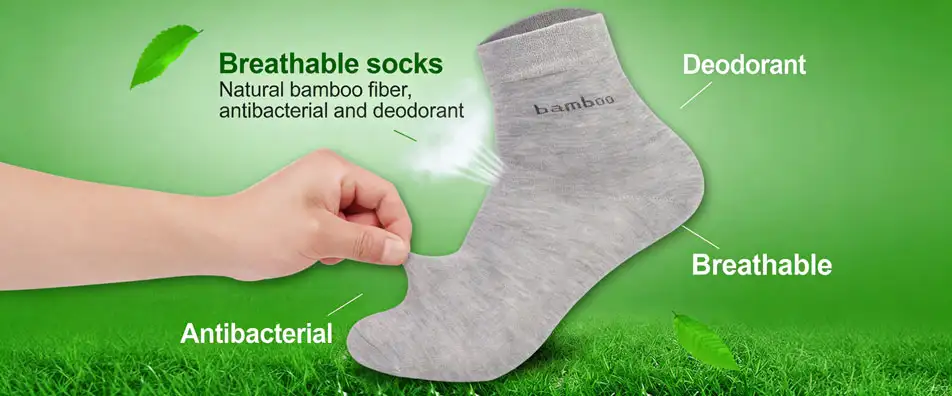
- Organic Cotton / Bamboo Viscose: Premium sustainable options, popular for eco-focused brands, typically 20–40% more expensive than standard combed cotton.
-
- Merino Wool: The most expensive common sock material, ideal for hiking, winter socks, or luxury lines, costing 2–3x more than standard combed cotton.
A critical note: custom dyed yarns will add significant cost and require much higher MOQs (often 5000+ pairs). Sticking to your manufacturer’s in-stock, pre-dyed yarn colors will keep your budget low and lead times short.
3. Design Complexity & Production Process
How your design is applied to the sock, and how complex it is, will directly impact your final cost.
-
- Fully Knit-In Designs: The most popular and durable option for custom socks, where your pattern, logo, and colors are knit directly into the fabric. Cost increases with the number of colors in your design (more colors = more machine setup time and thread changes).
-
- Embroidered Logos: Adds a premium, textured look for brand marks, but adds $0.50–$2 per pair, depending on the size and stitch complexity of the embroidery.
-
- Printed Designs (DTG / Heat Transfer): Lower upfront cost for very small runs (under 50 pairs), but far less durable than knit-in designs, prone to fading, cracking, or peeling after a few washes.
-
- Custom Functional Features: Add-ons like reinforced heels/toes, compression support, anti-slip silicone grips, custom woven labels, or terry loop padding will add $0.20–$1 per pair, per feature.
4. Sock Style & Size
Standard, popular sock styles (crew socks, ankle socks, no-show socks) have the lowest cost, because manufacturers use existing, optimized machine settings and templates. Custom lengths (over-the-knee, thigh-high), unusual shapes, or custom size ranges will require full custom machine programming, which adds to setup costs and increases your per-pair price.
5. Sampling & Revision Costs
Almost all manufacturers charge for custom pre-production samples, and this is a cost you should never skip — it’s the only way to ensure your final order matches your vision. In 2026, custom sample costs typically range from $30–$100 per design, depending on complexity.
Many manufacturers will credit 100% of your sample fee back to your final order when you move forward with production, so always ask about this upfront. Most factories include 1 round of sample revisions for free, but additional changes will incur extra fees.
6. Shipping, Customs & Duties
Many first-time buyers make the mistake of only looking at the per-pair production quote, and forget to budget for the cost of getting the socks from the factory to your door. These costs can add 10–30% to your total budget, and we’ll break them down in detail in the hidden costs section below.
So there are a lot of costs involved, consult us, and we provide the complete price without any additional fees. The socks with packaging will be shipped DDP to your doorstep.
2026 Average Custom Socks Cost Breakdown (Per Pair)
Below are realistic, up-to-date per-pair price ranges for the most common custom sock order: fully custom knit-in combed cotton crew socks, standard adult sizes, with 4–6 design colors, ordered from a reputable overseas manufacturer (the most common choice for brands and businesses in North America and Europe).
| Order Quantity | Average Per-Pair Production Cost (USD) |
|---|---|
| 100 pairs | $5.00 – $5.50 |
| 300 pairs | $4.50 – $5.00 |
| 500 pairs | $4.00 – $4.50 |
| 1000 pairs | $3.50 – $4.00 |
| 5000+ pairs | $2.99 – $3.50 |
Additional pricing context:
-
- For budget polyester blend socks, you can expect to pay 10–20% less per pair than the ranges above.
-
- For premium materials (organic cotton, merino wool) or functional add-ons (compression, anti-slip grips), add 20–50% to the per-pair cost.
-
- For domestic manufacturing (in the US, Canada, or EU), per-pair costs will be 2–3x higher than the ranges above, even for large bulk orders.
Hidden Custom Sock Costs You Need to Plan For
The per-pair production quote you get from a manufacturer is almost never the final total cost you’ll pay. These hidden fees are the most common reason brands go over budget, so make sure you account for them in your planning.
1. Setup & Programming Fees
Many manufacturers charge a separate setup fee (also called a programming or plate fee) for your custom design, especially for low-MOQ orders. This can range from $50–$200 per design, and is often not included in the initial per-pair quote. Always ask upfront: “does this quote include all setup and programming fees?”
2. Revision & Re-Sampling Fees
Most factories include 1 round of sample revisions for free, but additional design changes, material swaps, or new samples will incur fees. Revision fees typically range from $20–$50 per round, plus the cost of a new physical sample if needed.
3. Rush Production Fees
If you need your order faster than the standard production timeline (usually 15–20 business days), rush production fees will add 20–50% to your total production cost. The tighter the deadline, the higher the fee.
4. Shipping & Freight Costs
For international orders, shipping costs vary based on order size and delivery speed:
-
- Express international shipping (DHL/FedEx, 3–7 day delivery): $20–$50 for very small orders (100 pairs), $100–$300 for 1000 pairs.
-
- Standard air freight (10–14 day delivery): 30–40% cheaper than express, for medium-sized orders.
-
- Sea freight: The cheapest option for large bulk orders (5000+ pairs), but takes 30–45 days, and often has additional customs clearance and port fees.
5. Import Tariffs, Taxes & Duties
When importing socks into your country, you’ll be required to pay tariffs and sales taxes, which are calculated based on the total declared value of your order. For reference, 2026 standard rates for knit socks are:
-
- United States: 12% MFN tariff, plus applicable state sales tax.
-
- Canada: 18% MFN tariff on most knit socks, plus 5% federal GST (and provincial HST where applicable).
-
- European Union: 12% import tariff, plus 19–25% VAT depending on the destination country.
6. Packaging Costs
Most manufacturers include free plain poly bags for each pair of socks, but custom packaging will add to your cost. Custom printed poly bags, header cards, hang tags, or retail boxes will add $0.10–$0.50 per pair, depending on the complexity and quantity of your packaging.
How to Lower Your Custom Sock Cost Without Sacrificing Quality
You don’t have to settle for cheap, low-quality socks to stay on budget. These proven tips will help you cut costs while keeping the durability and quality your customers expect.
1. Optimize Your Order Quantity for the Best Value
If your budget allows, increasing your order from 100 pairs to 300 pairs can cut your per-pair cost by 30% or more. If you don’t want to commit to 300 pairs of a single design, ask your manufacturer if you can split the quantity across 2–3 designs (e.g., 100 pairs of 3 different designs) to unlock the volume discount without extra inventory risk.
2. Simplify Your Design
Stick to 4–6 colors in your knit design, avoid custom dyed yarns, and limit the number of custom add-on features. Every extra color or special feature adds to your production cost, so focus only on the elements that are critical to your brand and design vision.
3. Use In-Stock, Standard Materials
Custom dyed yarns and specialty materials drive up both cost and MOQs, and add weeks to your production timeline. Using your manufacturer’s in-stock, popular yarns (like standard combed cotton or polyester blends) will cut your per-pair cost, lower minimums, and speed up your order.
4. Plan Ahead to Avoid Rush Fees
Rush production and expedited shipping can add 50% or more to your total cost. Give yourself plenty of buffer time: budget 2 weeks for sampling and revisions, 3 weeks for production, and 2 weeks for shipping and customs clearance. This not only saves you money, but also gives you room to fix any issues before your launch deadline.
5. Ask About Discounts for Repeat Orders
If you plan to place ongoing reorders, ask your manufacturer about loyalty discounts or reduced setup fees for repeat runs. Most reputable factories will keep your design and machine setup on file for 6–12 months, so you won’t have to pay setup fees again for reorders of the same design, and may even get a lower per-pair price.
Final Pricing Tips for First-Time Buyers
The most important rule for getting an accurate custom sock quote is to be as specific as possible about your requirements. Vague requests like “how much for custom socks” will lead to vague, inflated quotes that don’t match what you actually need.
When reaching out to manufacturers, include all of these details in your initial message:
-
- Your desired order quantity (MOQ)
-
- Exact sock style and size range
-
- Material preference
-
- Design details (number of colors, knit vs. embroidery)
-
- Any custom functional features
-
- Your target delivery timeline
-
- Final shipping destination
This will help you get consistent, detailed quotes, and avoid hidden fees down the line.
Final Thoughts
At the end of the day, the cost of custom socks comes down to balancing your budget, your design vision, and your order quantity. By understanding what drives pricing, planning for hidden costs, and optimizing your order for value, you can get high-quality custom socks that fit both your brand and your budget.
If you’re ready for a transparent, no-hidden-fees quote for your custom sock order, our team is here to help. We’ll give you a clear, all-inclusive price upfront, with a full breakdown of every cost, and we work with brands of all sizes — from 10 pair small-batch orders to large bulk production runs.
View Real Buyer Reviews of US