
Analyze The Cost Structure Of Customized Socks And How To Reduce Costs
Customized socks are becoming increasingly popular because they can increase the company’s exposure and are a wonderful gift. However, the cost of customizing socks is quite complex, including different aspects such as materials, craftsmanship, quantity, and labor costs. I will break down the detailed costs of each part. And provide some suggestions to minimize customization costs while meeting your requirements.
1. Material Costs
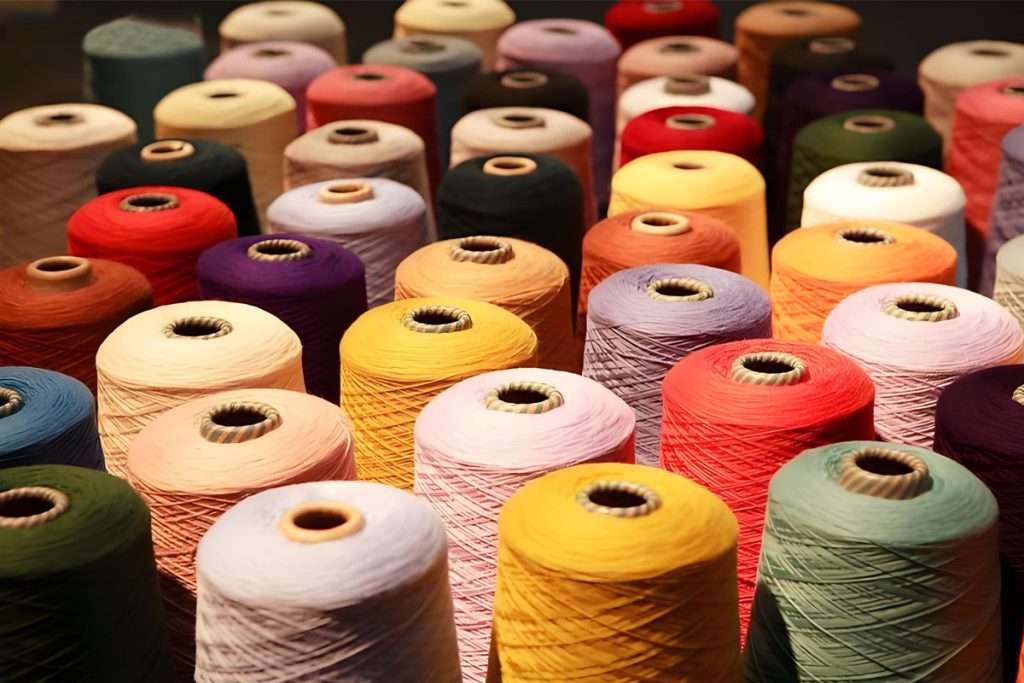
A. Yarn Materials:
- Regular Cotton Yarn: This is the most budget-friendly option, but it offers average quality and comfort.
- Eco-friendly Materials (Organic Cotton, Bamboo Fiber, Modal): These materials are more expensive but are environmentally friendly and offer higher comfort levels.
- Functional Materials (e.g., Anti-bacterial, Moisture-wicking): These are pricier and are ideal for specific purposes like sports socks.
B. Accessories:
- Elastic Fibers (Spandex): These are used to add elasticity and a snug fit to the socks.
- Sewing Threads: High-quality threads can enhance the durability of the socks.
Tip: Elastic fiber is the most commonly used, with good results and a relatively low unit price, so it is recommended to use spandex.
2、 Process cost

- Cost Components:
- Design Costs: Designing and sampling embroidery patterns requires professional designers.
- Material Costs: Costs for embroidery threads, backing materials, etc.
- Embroidery Machine Usage Fee: Embroidery machines are high-precision equipment with higher usage fees.
- Labor Costs: In the sock production process, workers need to complete a time-consuming task: they first have to shut down more than ten machines, upload the design files to the computer, and then thread five different colored yarns into the designated positions of the machines one by one. This process is very cumbersome because each color requires separate threading, and for just one machine, this needs to be repeated five times. The workers need to handle more than ten machines simultaneously before they can start the formal production of socks.
- Cost Influencers:
- Embroidery Area: Larger embroidery areas require more time, increasing costs.
- Embroidery Complexity: Intricate patterns and fine stitching demand more time and labor, thus higher costs.
- Number of Colors: More colors complicate the embroidery process, driving up costs.
- Custom Quantity: With a small customization quantity, workers will spend more time adjusting the machines, which will increase labor costs.
- Cost Control Tips:
- Simplify the Design: Keep designs aesthetically pleasing but simplified to reduce the number of colors.
- Centralize Embroidery: Concentrate embroidery in one area to avoid dispersed stitching.
- Bulk Production: Bulk production can effectively reduce the per-unit embroidery cost.

Cost Components:
- Mold cost: The anti slip design requires customized molds, and the mold cost is a one-time charge, which will be used for free in the future
- Material Costs: Costs for non-slip materials such as silicone, Rubber, etc. need to be heated to liquid and require a certain amount of material to work.
- Process Costs: Costs for processing the non-slip treatment, including coating and stamping.
- Labor Costs: Loading and unloading molds, shaping boards, and loading and unloading socks.
Cost Influencers:
- Custom mold: one-time cost, requiring high expenses to produce customized molds
- Non-Slip Area: Larger non-slip areas require more material, increasing costs.
- Type of Non-Slip Material: Different materials like silicone and rubber vary in price.
- Customized quantity: A small quantity will affect production capacity and waste a lot of time on loading and unloading molds. Loading and unloading molds once takes 30 minutes to an hour.
Cost Control Tips:
- Choose universal anti slip design: reduce the cost of customized molds
- Choose Appropriate Materials: Select non-slip materials based on product positioning and market demand to avoid unnecessary premium costs.
- Optimize Non-Slip Design: Simplify non-slip patterns and processes while ensuring the desired non-slip effect.
- Increasing the number of customizations: Increasing the number of customizations and sharing labor costs will greatly reduce overall costs.

Cost Components:
- Design Cost: Workers will design the logo as an electronic file
- Jacquard Machine Usage Fee: one machine can produce one pair of socks in 10 minutes
- Material Cost: Knitted socks will cause some yarn waste at the beginning and end
- Labor Cost: Workers upload design files to the computer and adjust the machinery.
Cost Influencers:
- Electronic Jacquard Pattern: The more complex the design, the longer it takes
- Design colors: The more design colors, the more yarn is required, and the longer the cost.
- Number of Colors: More colors complicate the embroidery process, driving up costs.
- Labor cost: Adjusting the machine will take a lot of time and increase labor costs
Cost Control Tips:
- This is the most popular technique, so it is recommended to use a simple design, minimize design colors, and increase the number of knitted socks

Cost Components:
- Equipment Costs: High machine and maintenance costs
- Ink: DTG printers use specialized inks, typically water-based, which can be experimental. Additionally, the cost of ink for different colors varies.
- Labor cost: DTG can only work on one sock at a time, so it requires manual loading and unloading of socks at all times.
Cost Control Tips:
DTG printing can customize very complex designs, but the cost is usually higher than other processes, and the cost is relatively fixed. Therefore, it is recommended to increase the number of customized socks to reduce labor costs and increase profits
3.Additional Costs
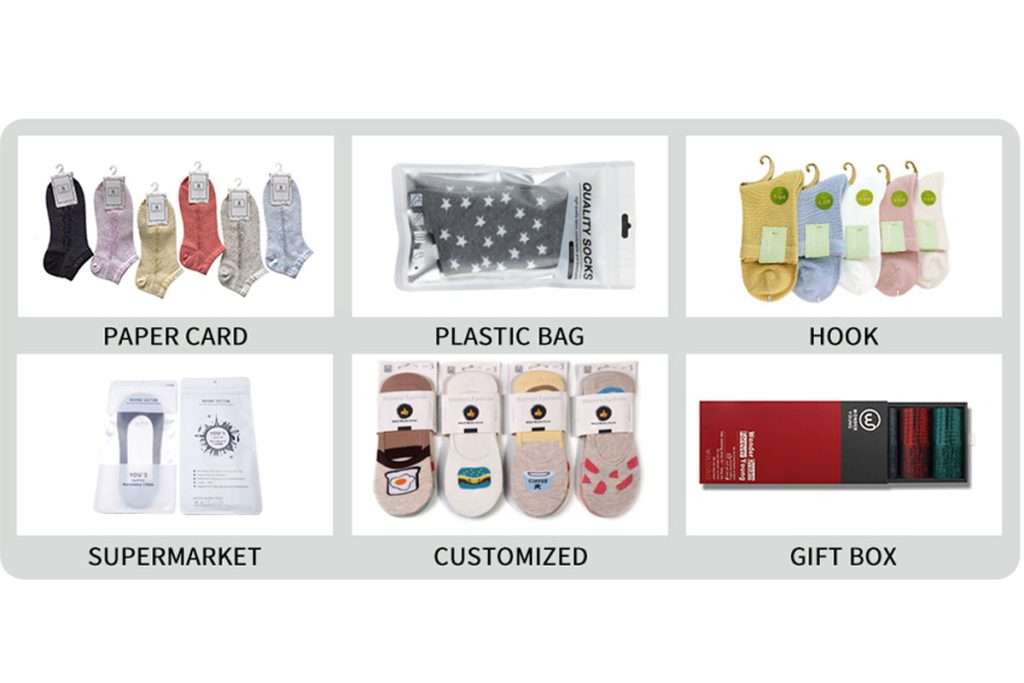
a. Packaging Costs:
- Standard Plastic Bags, Cardboard Boxes: These are cost-effective.
- Custom Packaging: Tailored to client needs but more expensive.
Tip: Choose packaging that aligns with your product’s positioning and customer expectations. Avoid over-packaging.
b. Shipping Costs:
Choosing different transportation channels can result in significant differences in shipping costs for the same batch of goods.
Express delivery: ups,DHL,FedEX,TNT, Fast logistics delivery time, approximately 4-7 days, expensive shipping cost, DAP (buyer needs to pay customs duties)
Air: The overall delivery time is moderate, taking 12-15 days. The shipping cost is relatively cheaper, DDP (buyers do not need to pay additional tariffs)
Sea: The delivery time is relatively slow, the shipping time is 25-30 days, the shipping cost is the cheapest, DDP (buyers do not need to pay additional tariffs)
Suggestion: Reasonably arrange production plans, concentrate shipments as much as possible, and reduce transportation costs
4. Cost Control Tips
- Bulk Production: Consolidate orders to produce in bulk. This can significantly lower the per-unit cost.
- Smart Design: Simplify designs and processes without compromising quality to avoid unnecessary complexity.
- Material Selection: Choose materials that align with your product’s positioning and market demand. Avoid chasing high-end materials if they aren’t essential.
- Optimize Workflow: Enhance production efficiency to reduce unnecessary steps and labor costs.
- Consolidated Shipping: Ship in bulk whenever possible to minimize transportation expenses.