
Do you know about the socks we usually wear?
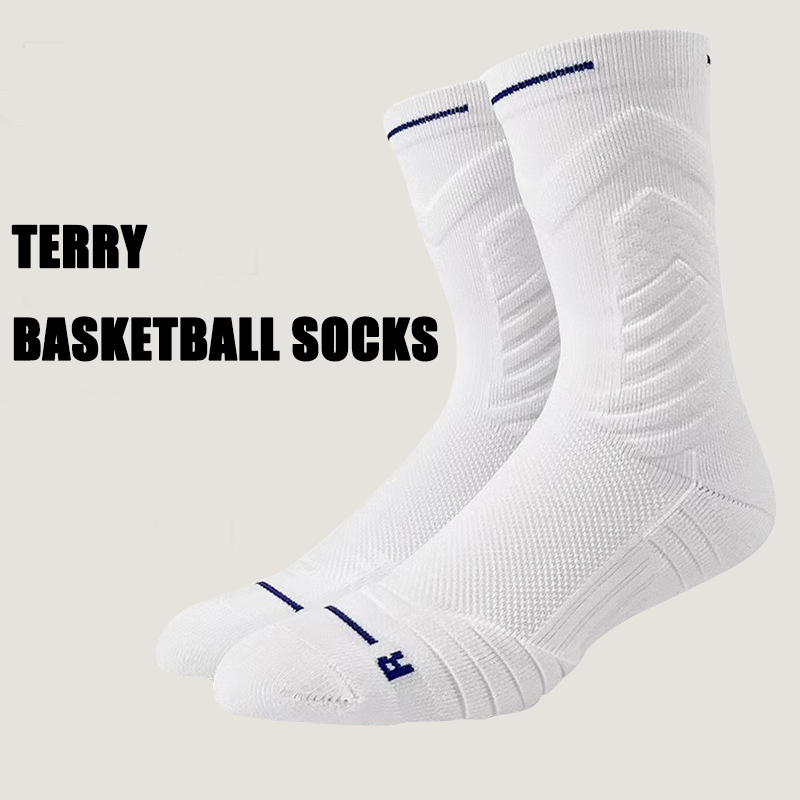
1. Athletic Socks
Athletic socks are designed to meet the needs of sports and physical activities. They usually have the following characteristics:
-
- Enhanced Cushioning: They have extra padding, especially on the heel and sole areas. This cushioning helps to absorb shock during running, jumping, or other high – impact sports. For example, in running socks, the cushioning can reduce the impact on the feet and joints, minimizing the risk of injury.
-
- Moisture – Wicking Properties: These socks are made of materials that can quickly draw sweat away from the skin. Fibers such as polyester blends are often used. The moisture – wicking function keeps the feet dry, preventing blisters and discomfort caused by dampness. In sports like basketball or soccer, where players are constantly moving and sweating, this feature is crucial.
-
- Arch Support: A good – quality athletic sock provides support to the arch of the foot. This helps to maintain the natural shape of the foot during exercise, improving stability and balance. Some athletic socks even have a contoured design to fit the arch more precisely.
2. Dress Socks
Dress socks are mainly used for formal or business occasions. They have the following features:
- Sleek Appearance: Dress socks usually have a smooth texture and a refined look. They come in solid colors, such as black, navy, or dark gray, to match formal shoes and suits. The materials used are often finer, like silk or high – quality cotton blends. For example, silk dress socks have a shiny appearance that adds a touch of elegance to a formal outfit.
- Thin and Lightweight: These socks are relatively thin so that they can fit well inside dress shoes without making the feet feel cramped. Their lightweight nature also ensures comfort when wearing formal shoes for an extended period, such as during a business meeting or a formal event.
- Length and Style: Dress socks typically come in different lengths, including ankle – length, mid – calf, and over – the – calf. The choice of length depends on personal preference and the style of the shoes and trousers. For example, over – the – calf dress socks are considered more traditional and are often preferred in very formal settings as they prevent any skin from showing when sitting down.

3. Casual Socks
Casual socks are for everyday wear and offer comfort and a variety of styles.
- Comfort – Oriented: They are made of soft materials like cotton, which feels gentle against the skin. Cotton casual socks are breathable, allowing air to circulate around the feet and keeping them cool and dry during normal daily activities.
- Diverse Patterns and Colors: Casual socks come in a wide range of patterns and colors. There are socks with stripes, polka dots, fun prints (like animal prints or cartoon characters), and bright colors. These patterns and colors allow individuals to express their personal style. For example, a person with a casual and playful fashion sense might choose socks with a colorful pattern to add a pop of color to an otherwise simple outfit.
- Length Variations: Similar to other types of socks, casual socks also have different lengths. Ankle – length casual socks are popular for wearing with sneakers and shorts, while knee – high casual socks can be paired with boots or used for added warmth during cooler weather.

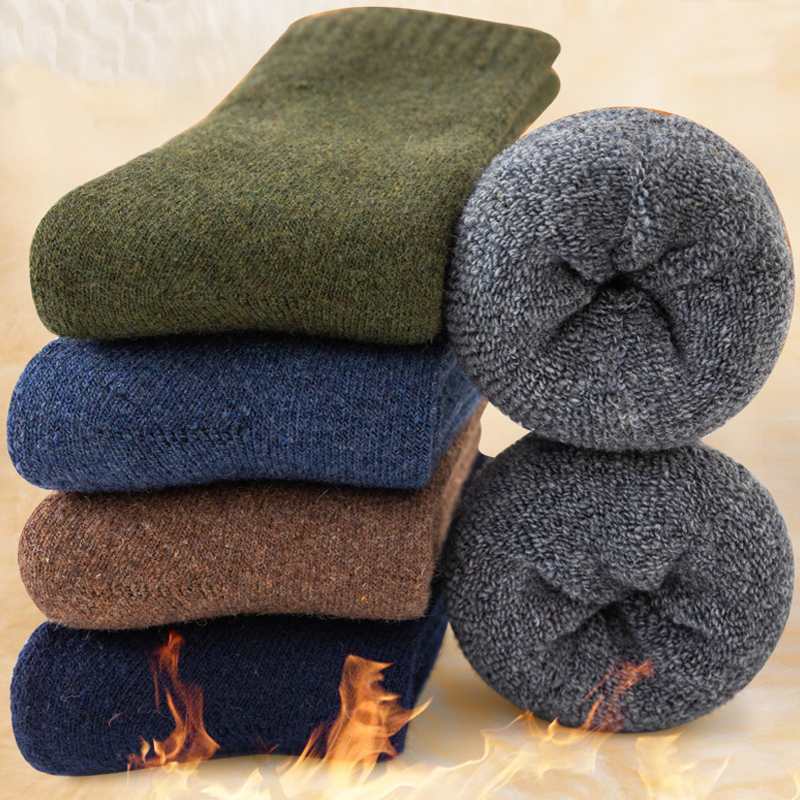
4. Thermal Socks
Thermal socks are designed to provide warmth, especially in cold weather.
- Insulating Materials: They are usually made of wool or wool blends. Wool is an excellent insulator that traps heat and keeps the feet warm. Some thermal socks also incorporate synthetic fibers to enhance durability and moisture – wicking capabilities while still maintaining warmth.
- Thick and Cozy: Thermal socks are thicker than regular socks to provide better insulation. The inside of the sock may have a plush or fleece – like lining for added comfort and warmth. They are ideal for outdoor activities in cold conditions, such as skiing, snowboarding, or simply walking in the snow.
- Sealed Cuffs: Many thermal socks have a snug – fitting cuff that helps to seal in warmth and prevent cold air from entering the sock. This design ensures that the heat generated by the feet is retained inside the sock.
5. Compression Socks
Compression socks are used for various purposes related to blood circulation and muscle support.
- Graduated Compression: These socks apply more pressure at the ankle and gradually reduce the pressure up the leg. The graduated compression helps to improve blood flow, preventing blood from pooling in the lower extremities. This is beneficial for people who stand or sit for long periods, such as flight attendants, office workers, or travelers.
- Medical and Athletic Uses: Compression socks are also used in a medical context, such as for people with varicose veins or swelling in the legs. In an athletic setting, they can help reduce muscle fatigue and soreness during and after exercise by improving blood circulation to the muscles.
- Tight – Fitting Design: Compression socks have a snug fit to provide the necessary pressure. They are usually made of stretchy materials like nylon and spandex blends that can conform to the shape of the leg and maintain the required level of compression.

What more information do you want to know?
You can tell me, I will give a separate explanation