
Sustainable Socks 2026: The Complete Guide to Eco-Friendly Footwear
With 72% of European and American consumers prioritizing eco-friendly materials when purchasing socks, the search volume for sustainable socks, eco friendly socks, and recycled polyester socks continues to rise steadily. What was once a niche trend has become a mainstream choice, as more people seek to reduce their environmental footprint without sacrificing comfort or style.
In this guide, we’ll break down everything you need to know about sustainable socks: compare the three most popular eco-friendly materials (recycled polyester, bamboo fiber, and merino wool) to find which is best for your needs, review top sustainable socks brands across all price ranges, and share practical tips to balance comfort, sustainability, and affordability. Whether you’re a casual wearer, athlete, or eco-conscious shopper, this guide will help you make informed choices for your feet and the planet.
Why Sustainable Socks Matter (And Why They’re Gaining Popularity)
Socks are a wardrobe staple—most of us wear them daily—but conventional socks come with a hidden environmental cost. From fossil fuel-derived synthetics to water-intensive cotton, traditional sock production contributes to pollution, waste, and resource depletion. Sustainable socks, on the other hand, are designed to minimize harm throughout their lifecycle: from renewable or recycled materials to ethical manufacturing and biodegradable end-of-life options.
The Environmental Cost of Conventional Socks
Conventional socks often rely on virgin polyester (derived from crude oil) or conventional cotton, which uses over 2,700 liters of water to produce a single pair—and that’s before accounting for toxic dyes and pesticides that pollute waterways. Fast fashion’s “wear-once-throw-away” model only worsens the problem, with millions of socks ending up in landfills each year, where synthetic fibers can take decades to decompose and shed microplastics into the environment.
Why 72% of Western Consumers Choose Eco-Friendly Socks
The surge in demand for sustainable socks isn’t just a passing trend—it’s driven by a growing awareness of environmental impact and a desire for safer, higher-quality products. Eco friendly socks are often free from harsh chemicals (better for sensitive skin), more durable (reducing waste), and designed with the planet in mind. For European and American consumers, this balance of purpose and practicality makes sustainable socks a non-negotiable choice.
Sustainable Sock Materials Showdown: Recycled Polyester vs. Bamboo vs. Merino Wool
Not all eco-friendly materials are created equal. Each has its own strengths, weaknesses, and ideal use cases. Below, we’ll compare the three most popular sustainable sock materials to help you answer: Which is best for you?
1. Recycled Polyester (rPET) – The Durable, Budget-Friendly Option
Recycled polyester (often labeled rPET) is made from post-consumer plastic bottles and textile waste, diverting plastic from landfills and reducing carbon emissions by up to 70% compared to virgin polyester. It’s one of the most widely used materials in sustainable socks, especially for active wear, and is a top choice for those searching for recycled polyester socks.
Pros of Recycled Polyester Socks
- Ultra-durable: Resists pilling, stretching, and wear, making it perfect for high-use scenarios (sports, daily wear).
- Moisture-wicking & quick-drying: Pulls sweat away from the skin, keeping feet dry—ideal for athletes or hot weather.
- Affordable: One of the most budget-friendly eco-materials, making sustainable socks accessible to more shoppers.
- Versatile: Blends well with other fibers (like cotton or wool) to enhance comfort and performance.
Cons of Recycled Polyester Socks
- Microplastic shedding: Like all synthetics, it can release tiny microplastics when washed (use a guppy bag to minimize this).
- Not biodegradable: While it diverts plastic from landfills, it still persists in the environment at the end of its lifecycle.
- Less breathable: Can feel warm in extreme heat compared to natural fibers like bamboo or merino wool.
Best For: Athletes, frequent travelers, budget-conscious shoppers, and anyone looking for durable daily-wear socks.
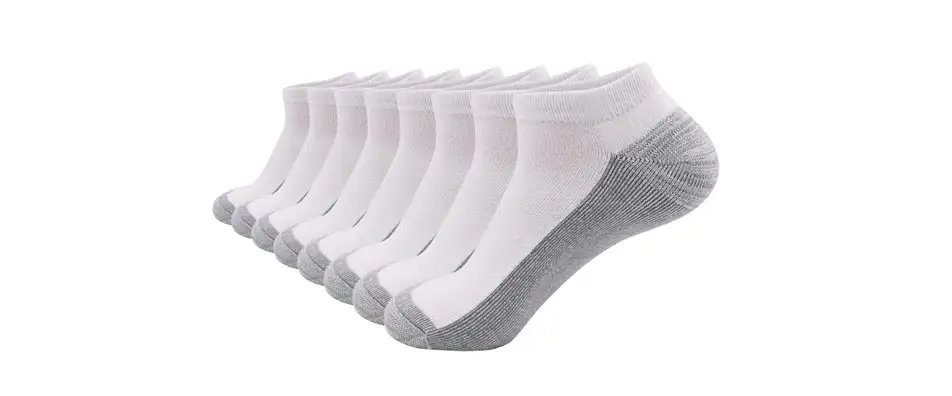
2. Bamboo Fiber – The Soft, Breathable Choice
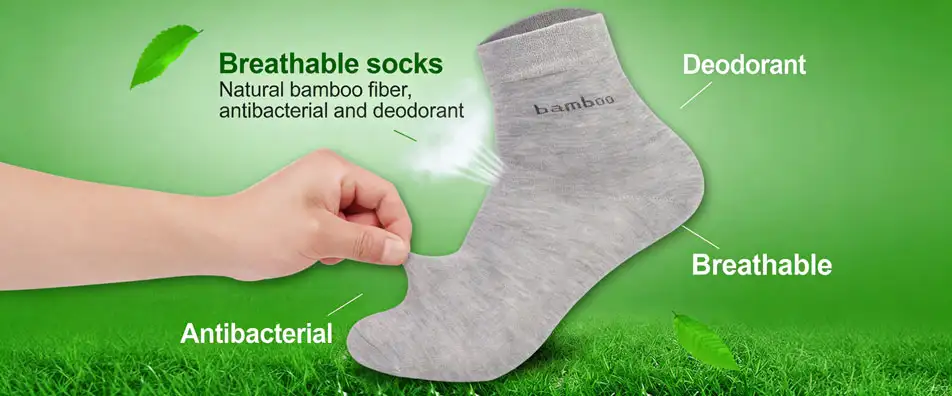
Bamboo fiber (often processed as bamboo viscose or lyocell) is derived from fast-growing bamboo grass—one of the most renewable resources on the planet. Bamboo requires no pesticides, little water, and grows quickly (maturing in 3–5 years), making it a popular choice for eco friendly socks.
Pros of Bamboo Socks
- Buttery soft: Luxurious, lightweight feel that’s gentle on sensitive skin—perfect for those who prioritize comfort.
- Naturally antibacterial & odor-resistant: Fights bacteria growth, keeping feet fresh even after long hours of wear.
- Highly breathable: Wicks moisture and allows air flow, making it ideal for summer or hot climates.
- Hypoallergenic: Free from harsh chemicals, making it a great option for those with skin sensitivities or allergies.
Cons of Bamboo Socks
- Less durable: Thinner than polyester or wool, so it may wear faster with heavy use.
- Processing concerns: Some bamboo viscose processing uses harsh chemicals—look for closed-loop processing (OEKO-TEX® certified) to ensure sustainability.
- Shrinkage: Can shrink if not washed according to care instructions (usually cold water and air dry).
Best For: Everyday wear, summer, sensitive skin, and anyone who wants soft, breathable eco friendly socks.
3. Merino Wool – The Premium, Temperature-Regulating Option
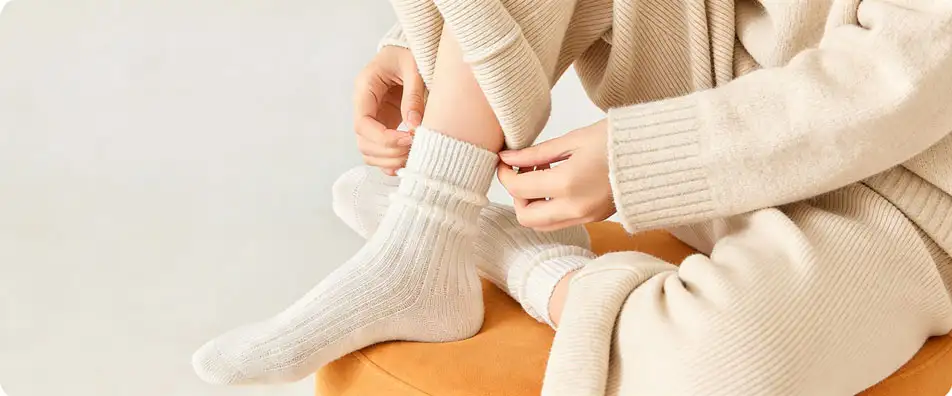
Merino wool comes from the fine fleece of merino sheep, a renewable resource that’s 100% biodegradable. Unlike traditional wool, merino wool is soft (no itch!) and offers exceptional temperature regulation, making it a top choice for year-round wear. It’s also a sustainable option that supports soil health when disposed of, as it decomposes naturally and releases nutrients back into the earth.
Pros of Merino Wool Socks
- Temperature-regulating: Keeps feet warm in winter and cool in summer—nature’s built-in thermostat.
- Superior moisture-wicking: Absorbs up to 30% of its weight in moisture without feeling damp, keeping feet dry all day.
- Natural anti-odor: Lanolin (a natural oil in wool) prevents bacteria growth, so you can wear them multiple times before washing.
- Durable: High-quality merino wool socks last for years, reducing the need for frequent replacements.
Cons of Merino Wool Socks
- Higher cost: Premium material, so merino wool socks are often more expensive than polyester or bamboo options.
- Slower drying: Takes longer to dry than synthetics, which can be inconvenient for travelers or athletes.
- Care requirements: Some styles need gentle washing (avoid hot water or tumble drying) to prevent felting.
Best For: Winter, hiking, travel, long days on your feet, and anyone who prioritizes premium comfort and sustainability.
| Feature | Recycled Polyester | Bamboo Fiber | Merino Wool |
|---|---|---|---|
| Eco-Impact | High (diverts plastic, reduces emissions) | Very High (renewable, low water use) | Very High (biodegradable, renewable) |
| Comfort | Good (stretchy, supportive) | Excellent (soft, lightweight) | Excellent (soft, temperature-regulating) |
| Durability | Excellent | Good | Very Good |
| Price Range | Budget-Mid ($8–$18/pair) | Mid-Range ($12–$22/pair) | Mid-High ($18–$35/pair) |
| Best For | Sports, daily wear, budget shoppers | Everyday wear, summer, sensitive skin | Winter, hiking, travel, premium comfort |
Top Sustainable Socks Brands 2026: From Budget to Luxury
Now that you know which material is right for you, it’s time to explore the best sustainable socks brands. We’ve curated a list of top options across price ranges, all committed to sustainability, ethical manufacturing, and quality. These brands are perfect for anyone searching for sustainable socks brands or eco friendly socks.
Budget-Friendly (Under $15/pair)
Great for shoppers who want to go sustainable without breaking the bank. These brands offer affordable, eco-friendly options without sacrificing quality.
1. Socko
Materials: Recycled cotton + recycled polyester (rPET) from plastic bottles.
Ethics: UK-made, hand-finished, plastic-free packaging, and fair labor practices.
Best For: Casual daily wear, recycled polyester socks lovers, and budget-conscious shoppers.
Price: $8–$12/pair.
2. Colorful Standard
Materials: GOTS-certified organic cotton, recycled wool, and recycled polyamide.
Ethics: PETA-approved vegan, fair wage, FSC-certified packaging, and transparent supply chain.
Best For: Minimalist, colorful everyday socks, and those who prefer organic materials.
Price: $10–$14/pair.
Mid-Range ($15–$25/pair)
The sweet spot for most shoppers: a balance of quality, sustainability, and affordability. These brands offer premium materials and ethical practices at a mid-range price.
1. Allbirds
Materials: Trino® blend (merino wool + eucalyptus tree fiber), recycled polyester, and sugarcane-based foam insoles.
Ethics: B Corp certified, carbon-neutral, renewable energy use, and sustainable packaging.
Best For: Running, casual wear, and anyone who wants ultra-soft, performance-driven eco friendly socks.
Price: $15–$24/pair.
2. Boody
Materials: OEKO-TEX® certified organic bamboo viscose (closed-loop processing).
Ethics: Renewable bamboo sourcing, low-impact dyes, ethical manufacturing, and plastic-free packaging.
Best For: Sensitive skin, lightweight everyday wear, and bamboo fiber lovers.
Price: $16–$20/pair.
3. Conscious Step
Materials: Organic cotton, recycled polyester, and natural rubber.
Ethics: B Corp certified, fair labor, and each pair donates $1 to a charity (eco, health, or social causes).
Best For: Giftable socks, printed styles, and shoppers who want to give back while going sustainable.
Price: $17–$22/pair.
Premium/Luxury ($25+/pair)
For those who prioritize premium quality, long-lasting durability, and top-tier sustainability. These brands are leaders in ethical fashion and eco-friendly innovation.
1. Patagonia
Materials: Responsible merino wool, recycled nylon, and organic cotton.
Ethics: Fair Trade Certified™, 1% for the Planet, repair program (extend the life of your socks), and transparent supply chain.
Best For: Outdoor activities (hiking, camping), winter wear, and anyone who wants lifetime quality.
Price: $25–$35/pair.
2. Organic Basics
Materials: GOTS-certified organic cotton, recycled nylon, and Tencel™ (sustainable wood fiber).
Ethics: Carbon-neutral, fully transparent supply chain, OEKO-TEX® certified, and plastic-free packaging.
Best For: Minimalist, high-end essentials, and those who want luxury sustainable socks.
Price: $24–$30/pair.
How to Buy Sustainable Socks: Balance Comfort, Eco-Impact & Affordability
Choosing sustainable socks doesn’t mean you have to sacrifice comfort or overspend. Follow these tips to find the perfect pair that checks all three boxes: comfort, sustainability, and value.
1. Prioritize Materials Based on Your Needs
Use the material comparison above to match your lifestyle:
- Everyday casual: Bamboo or organic cotton (soft, breathable).
- Sports/hiking: Recycled polyester or merino wool (moisture-wicking, durable).
- Winter: Merino wool (warmth, odor control).
- Summer: Bamboo (cool, lightweight).
- Sensitive skin: Bamboo, organic cotton, or merino wool (hypoallergenic, chemical-free).
2. Check for Trusted Certifications (Avoid Greenwashing)
Many brands claim to be “eco-friendly,” but look for these certifications to ensure authenticity:
- GOTS (Global Organic Textile Standard): Gold standard for organic textiles (ensures no toxic chemicals, fair labor).
- OEKO-TEX® Standard 100: Tests for harmful substances (safe for skin and the environment).
- B Corp Certification: Meets high social and environmental standards.
- Fair Trade Certified™: Ensures workers receive fair wages and safe working conditions.
3. Look for Durability to Maximize Value
Sustainable socks should last longer than conventional socks—otherwise, you’re still contributing to waste. Look for:
- Reinforced heels and toes (high-wear areas).
- Seamless toes (no irritation, better comfort).
- A small elastane blend (2–5%) for stretch and shape retention.
- High stitch count (168–200 needles = denser, longer-lasting).
4. Avoid Greenwashing Red Flags
Watch out for vague claims that don’t back up their sustainability promises:
- Vague terms like “eco-friendly” or “natural” with no certifications.
- Low recycled/organic content (less than 50%).
- No transparency about their supply chain (where materials are sourced, how socks are made).
- Excess plastic packaging (defeats the purpose of sustainable socks).
Final Thoughts: Sustainable Socks Are the Future of Footwear
With 72% of European and American consumers choosing eco-friendly materials, sustainable socks are no longer a niche—they’re the new standard. By choosing recycled polyester, bamboo, or merino wool from trusted sustainable socks brands, you’re not just buying socks—you’re making a choice that’s good for your feet, good for workers, and good for the planet.
Remember: sustainability doesn’t have to be all or nothing. Start small—replace one pair of conventional socks with a sustainable option, and build from there. Every choice counts, and your feet (and the planet) will thank you.
Next Steps to Go Sustainable
- Audit your sock drawer: Identify worn-out synthetic pairs to replace.
- Try one material first: Start with bamboo for everyday wear or recycled polyester for sports.
- Wash smart: Use cold water, air dry, and a microplastic filter bag to reduce environmental impact.
If you need to customize eco-friendly socks, you can contact us. We are a sock factory in China with Oeko Tex Standard 100, CE, ORS and other certificates. We have over 8 years of experience working with overseas customers and our material sizes meet the standards of various countries!